
ZOONO Pet Oral Spray Feline Calicivirus Stomatitis + Feline Chronic Gingivostomatitis (FCGS)
ZOONO Pet Oral Spray – Feline Calicivirus Stomatitis + Feline Chronic Gingivostomatitis (FCGS)
Veterinary Commentary
Condition:
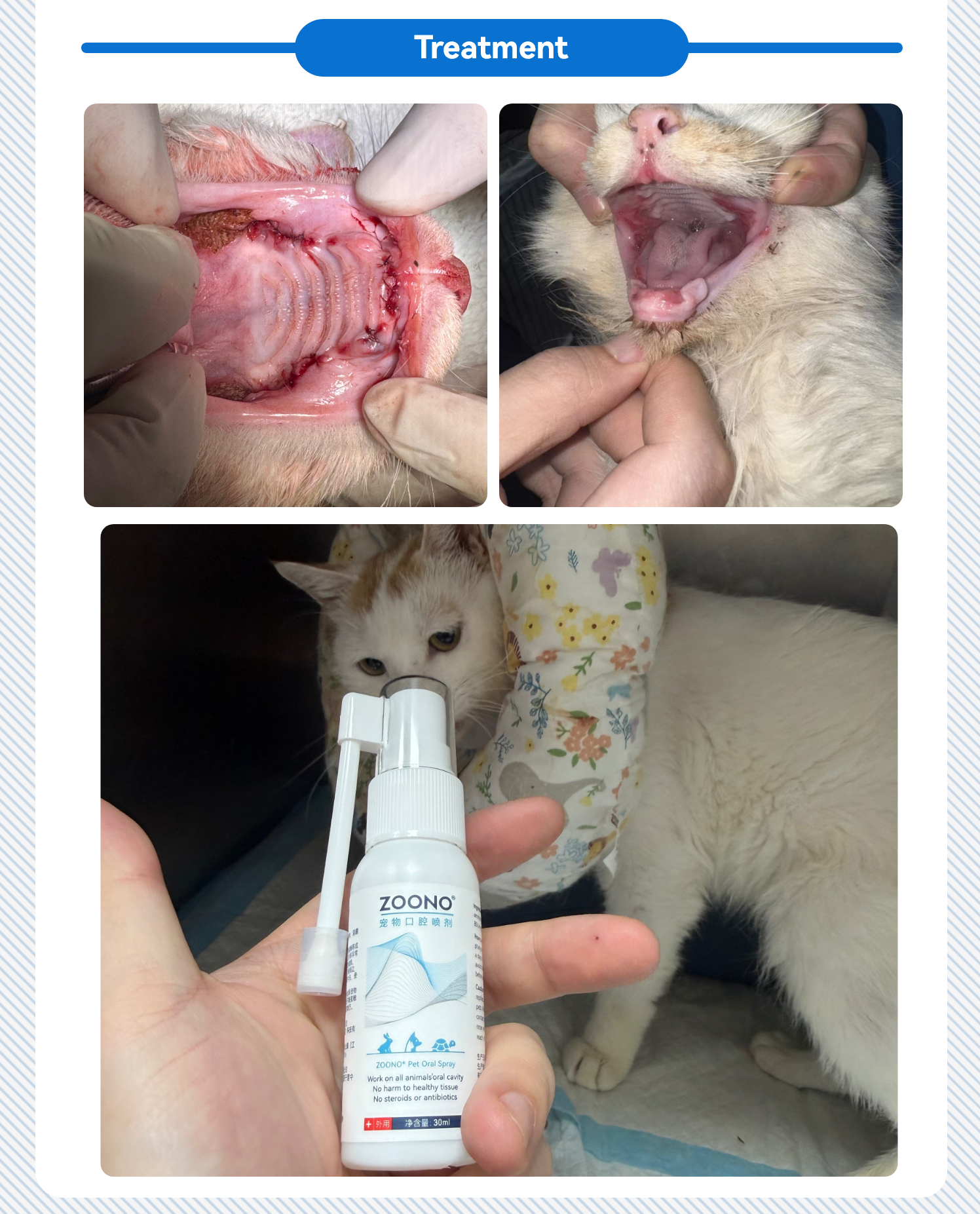
The affected cat was a stray. After being rescued by the owner, the cat exhibited weight loss, drooling, and refusal to eat, prompting a visit to our clinic. Clinical examination revealed redness, swelling, and ulceration of the oral gingival mucosa, with lesions extending to the oropharynx (caudal oral region). The cat was unable to eat normally due to oral pain.
Laboratory findings:
Serum amyloid A (SAA) levels were significantly elevated, indicating severe inflammation. Respiratory pathogen PCR testing was positive for calicivirus and Mycoplasma. A diagnosis of 1) feline calicivirus infection and 2) feline chronic gingivostomatitis (FCGS) was made.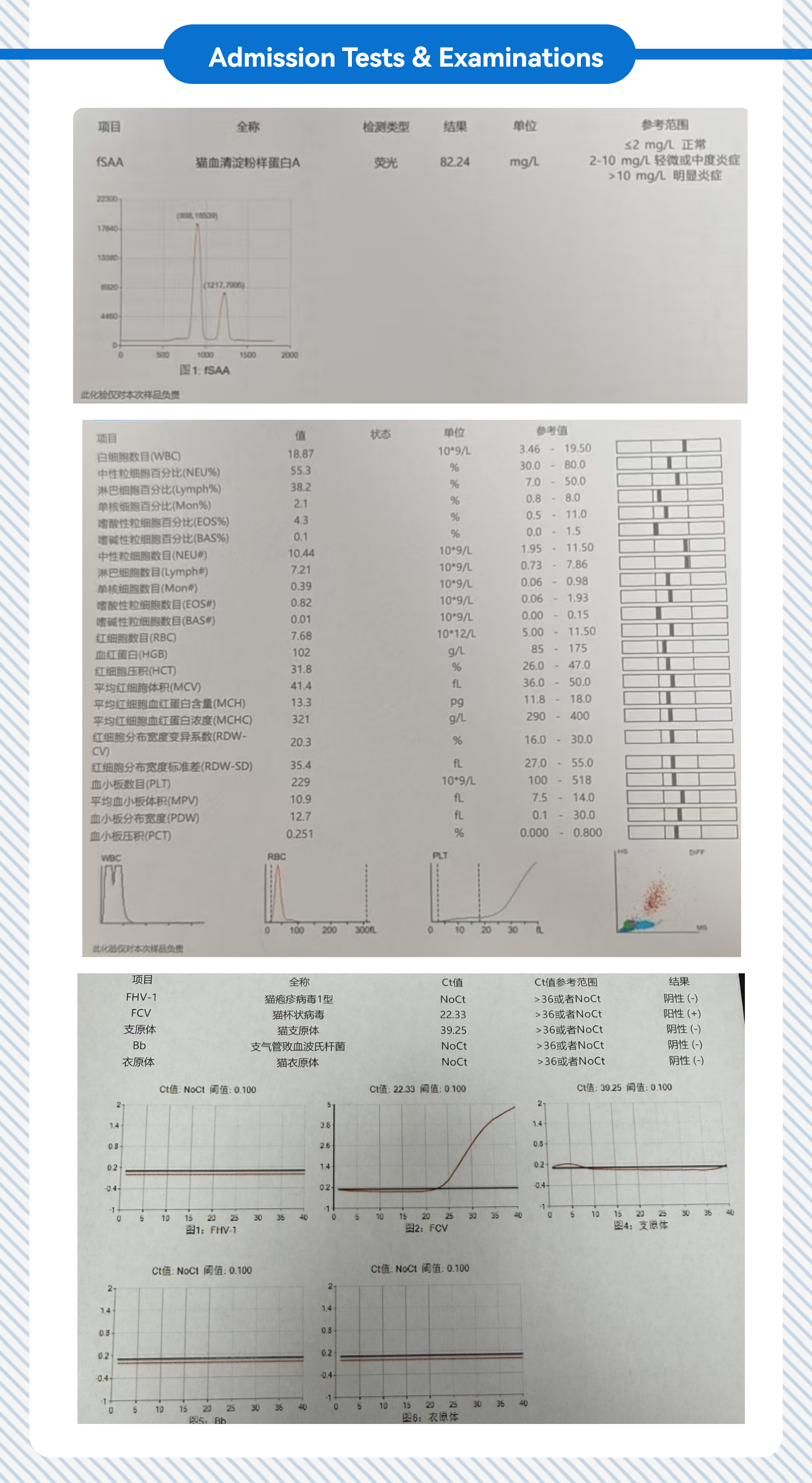
Treatment:
Surgical intervention: Full-mouth tooth extraction and carbon dioxide laser ablation were performed to completely remove oral lesions and promote mucosal healing.
Systemic pharmacotherapy: Doxycycline for infection, butorphanol for analgesia and anti-inflammatory effects, and recombinant feline interferon-omega for antiviral therapy to control systemic inflammation and viral infection.
Topical oral care: ZOONO Pet Oral Spray was applied directly to the inflamed oral lesions 4 times daily for 2 consecutive weeks to support postoperative mucosal healing and daily oral hygiene.
Follow-up:
Week 1 of treatment: Following systemic therapy and adjunctive use of ZOONO Pet Oral Spray, the cat’s appetite gradually returned to normal, and it was discharged successfully.
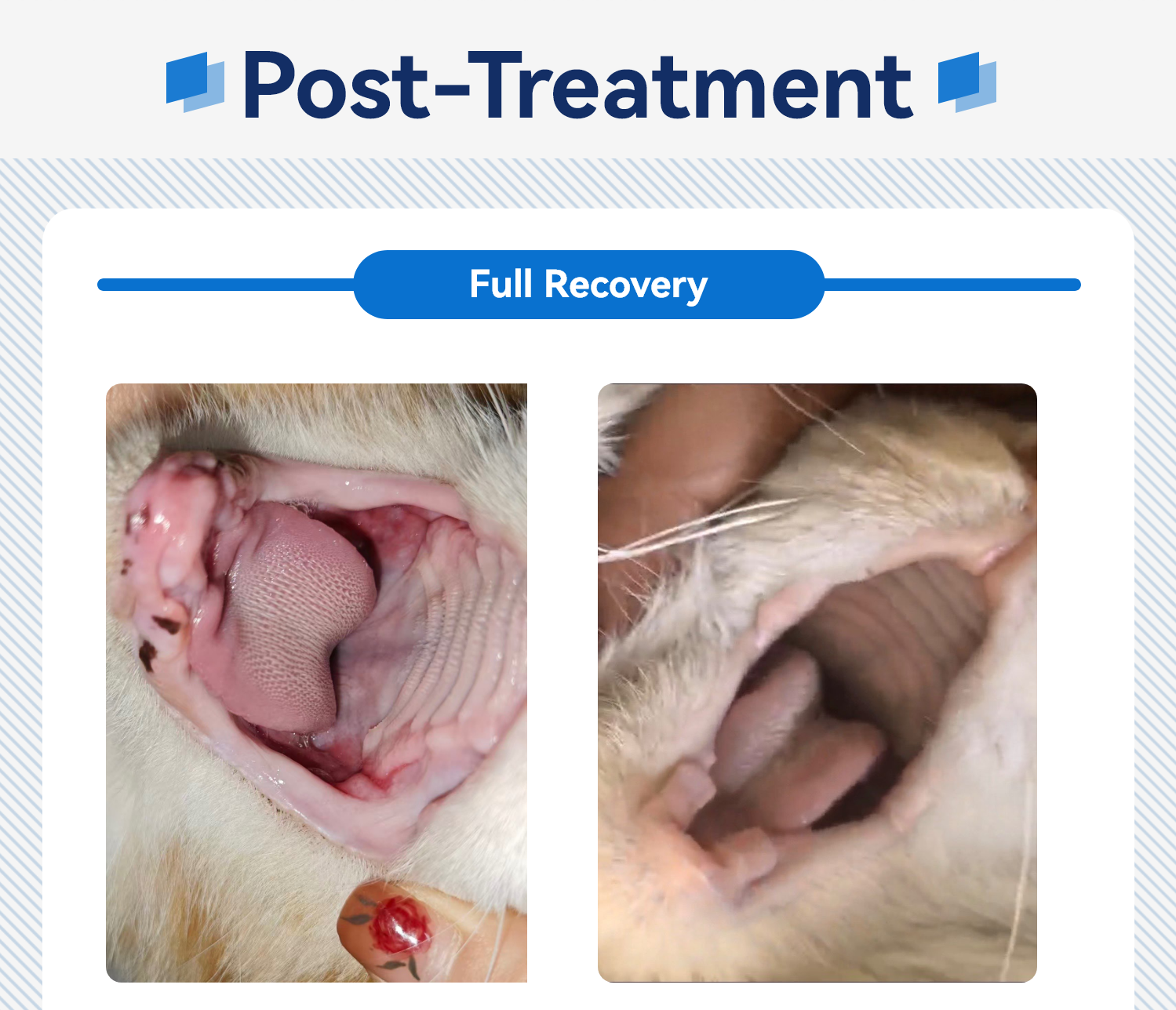
1 week post-discharge: Oral mucosal redness, swelling, and pain were significantly improved, with no drooling or food refusal.
Long-term follow-up: The cat’s oral condition fully returned to normal, body weight increased significantly compared to admission, and overall health was good.
Long-term home care instructions:
During home care, ZOONO Pet Oral Spray should be applied 3 times daily for maintenance. The product is minimally irritating to the oral mucosa and can be safely used during the postoperative mucosal healing period and for daily oral care. Additionally, closely monitor the cat’s appetite and mental status, and ensure regular vaccinations.
Clinical Knowledge Sharing from Veterinarian:
Feline Chronic Gingivostomatitis (FCGS)
FCGS is a multifactorial disease commonly encountered in clinical practice. It is a complex, chronic, and destructive inflammatory condition in cats, causing ulceration, hyperplasia, and necrosis of the oral soft tissues, often extending into the submucosa. The etiology of stomatitis is complex and may include mechanical or chemical irritation, microbial infection, dental calculus, nutritional factors, and systemic diseases. Common infectious contributors include feline immunodeficiency virus (FIV), feline leukemia virus (FeLV), feline herpesvirus (FHV), feline calicivirus (FCV), as well as diabetes, gastrointestinal disease, feline eosinophilic granuloma, and renal failure. Most dogs and cats with stomatitis present with thick, tenacious saliva, severe halitosis, and pain-induced anorexia. On oral examination, the gingiva and oral mucosa around the premolars and molars are the most severely inflamed areas, and hyperplastic lesions gradually develop. Clinical treatment typically involves antibiotics or corticosteroids, but recurrence rates are high. An effective treatment remains full-mouth tooth extraction, with carbon dioxide laser ablation for hyperplastic mucosa. In this case, the prognosis was favorable. Postoperative stability was supported by the antibacterial and antiviral New Zealand ZOONO Pet Oral Spray, which reduces oral bacterial growth and promotes mucosal healing.
Source: ZOONO Pet Oral Spray Feline Calicivirus Stomatitis + Feline Chronic Gingivostomatitis (FCGS)
Popular Articles